
The teachings of the Buddha have profoundly shaped spiritual thought and practice across cultures. When examining his teachings, one notices an absence of references to Kundalini and Chakras—concepts deeply rooted in other Indian spiritual traditions, particularly in Kundalini yoga meditation. This absence raises fascinating questions: Why did the Buddha not speak of Kundalini and Chakras? Was he aware of these concepts? How do his teachings differ from the Kundalini-focused spiritual practices that emphasize these energy systems? In this article, we explore these questions by examining the historical, philosophical, and spiritual contexts of the Buddha’s teachings and comparing them with Kundalini yoga meditation.
Siddhartha Gautama, known as the Buddha, lived and taught during the 5th century BCE in ancient India, a time when the region hosted a diversity of spiritual and philosophical traditions. The early Vedic traditions that evolved into Hinduism and various ascetic movements were prominent. Concepts such as Kundalini and Chakras have roots in these early Vedic traditions but were more explicitly developed in later Tantric texts, which emerged centuries after the Buddha's era.
The formal system of Kundalini and Chakras as known today took shape in the Tantric and Hatha Yoga traditions. Texts like the Shat-chakra-nirupana and the Hatha Yoga Pradipika provide detailed descriptions of Chakras as energy centers and Kundalini as a dormant spiritual energy located at the base of the spine. These systems focus on awakening Kundalini energy and guiding it through the Chakras to achieve heightened states of consciousness. However, the Buddha’s teachings, grounded in pragmatic approaches to enlightenment, do not explicitly address these concepts.
/img/i3/a4Y/sZTw/0IIlfQVyKeVtn/92V3jmlWzW/KcW5ljuJOirgOvB0.jpg)
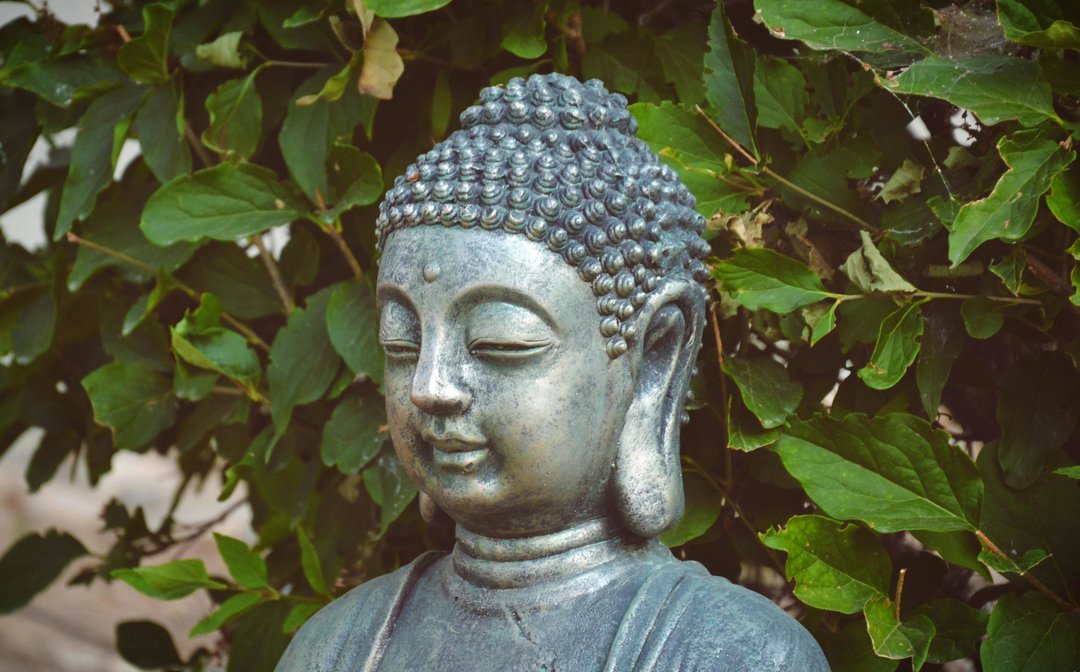
One of the defining features of the Buddha’s teachings is their practicality and emphasis on direct experience. He taught the Four Noble Truths and the Eightfold Path as a systematic approach to understand and overcome suffering, aiming for enlightenment (Nirvana). Rather than focusing on energy systems or metaphysical concepts, his teachings center on insights achievable through practical and direct experience, which he believed could lead to liberation without the need for esoteric or complex metaphysical systems.
A core aspect of the Buddha’s philosophy is the concept of Dependent Origination (Pratītyasamutpāda), which outlines the interconnectedness of all phenomena and the conditionality of existence. This principle points to the impermanent and interdependent nature of reality, guiding followers away from beliefs in enduring spiritual substances or energies like Kundalini. By focusing on practical teachings over metaphysical speculation, the Buddha provided a framework to directly address and overcome suffering.
The Buddha advocated the Middle Way, a balanced path that avoids the extremes of self-indulgence and self-mortification. This approach is intentionally practical, accessible, and inclusive, appealing to people of all backgrounds. Practices involving Kundalini and Chakras, on the other hand, are often more specialized, requiring rigorous training and guidance, which may not align with the Buddha’s intent to make enlightenment accessible to all.
The Buddha’s primary meditation teachings include Vipassana (insight) and Samatha (calm) meditation. These techniques focus on cultivating mindfulness, concentration, and a clear understanding of reality’s nature. Practitioners observe bodily sensations, thoughts, and emotions, leading to insights into impermanence, suffering, and non-self. These insights, gained through mindfulness and awareness, lead to inner peace and understanding rather than relying on an energy system.